Leave A Message
If you are interested in our products and want to know more details,please leave a message here,we will reply you as soon as we can.
submit
Custom Facial Skincare

Blog

Home

Blog

  • Exosome‑Inspired Skincare: Plant‑Based Active Vesicles vs. “Sea‑to‑Cell” Trends – What’s the Better Choice for Your Brand?
    Exosome‑Inspired Skincare: Plant‑Based Active Vesicles vs. “Sea‑to‑Cell” Trends – What’s the Better Choice for Your Brand?
    Apr 30, 2026
    1. Why ‘exosome skincare’ presents such a challenge Exosome products have become all the rage in the industry in recent years; not only have before-and-after comparison videos quickly flooded TikTok—search volumes have surged by over 1,500% in just two years—but the market is projected to reach nearly US$2 billion by 2032. “Salmon” and “exosome” serums have long been established as bestsellers by Korean beauty giants such as Medicube and VT Cosmetics. Consequently, many B2B buyers naturally wish to get a slice of the pie. The problem, however, is that exosomes derived from humans or animals are not advisable and remain in a legal grey area. EU cosmetics regulations explicitly prohibit the use of human-derived exosomes. The US Food and Drug Administration (FDA) has not yet approved any exosome-based cosmetics. In contrast, plant-derived “exosome-like” nanovesicles—also known as plant-derived liposomes (ELNs)—represent a cleaner, safer alternative. They deliver similar benefits whilst posing minimal compliance risks.     2. Three Technical Pathways, One Clear Winner Currently, three options are available to brands and retailers. First, human or animal exosomes, which possess extremely high biological activity but also pose significant ethical and regulatory risks. Second, DNA-derived active ingredients extracted from the well-known salmon PDRN, often marketed under the umbrella of ‘exosomes’. Whilst generally accepted, their INCI name must be listed as ‘Sodium DNA’. Third, plant-derived active vesicles that are not included on any banned lists and are free from ethical or moral controversy. They can exert cell signalling effects without attracting the attention of regulatory authorities. Major raw material suppliers have increasingly shifted towards this direction, as it is safer and offers a clear and well-defined compliance pathway.     3. Trends among major raw material suppliers At In-cosmetics Global 2026, DSM-Firmenich launched Exovive Lift, a plant-derived active vesicle made from Alpine apples, Mediterranean citrus and Sicilian papaya. A two-month clinical trial demonstrated that this ingredient significantly reduces wrinkles, with effects akin to making the skin appear eight years younger, whilst boosting skin elasticity by 30%. This points to the direction in which the industry is heading. Although the EU restricts the use of human exosomes, it recognises plant-derived exosomes (ELNs) as a compliant alternative. In the US, the threshold for declaring plant-derived exosome ingredients under their INCI names is significantly lower. For brands targeting the European or US markets, plant-derived vesicles are not only a current trend but also a sound long-term choice.     4. Real production data from our factory At our GMPC-certified factory in Guangzhou, we have produced a plant-peptide repair serum utilising plant-derived active vesicles. An independent laboratory conducted a four-week trial involving 30 participants. The results showed a reduction in the appearance of fine lines of 18% to 22%, an improvement in skin elasticity of 15% to 18%, and an increase in hydration of 28% to 32%. All our production takes place in a Class 100,000 cleanroom; we track every batch and subject each formulation to 720 hours of stability testing. This is by no means an ‘exosome’ marketing gimmick – it is a genuine skincare product that meets export standards and ensures your compliance with regulations. We offer custom concentrations, synergistic active ingredient formulations and complete compliance documentation (INCI: Sodium DNA, CPNP, Halal certification, FDA). You can receive samples within 15 days, and our minimum order quantities are low. We have already shipped to brands in the US, Germany and the Middle East.     5. Why this matters for your private label brand Compared to popular Korean ‘salmon’ or ‘exosome’ serums, our plant-based version offers equivalent efficacy whilst keeping you entirely free from legal disputes. This high-tech repair serum, utilising plant-derived vesicles, provides you with a ‘clean’ product narrative. Positioned as a gentle post-procedure serum, it soothes redness, strengthens the skin barrier and promotes natural repair, making it particularly suitable for clean beauty, vegan or sensitive skin ranges.     6. Summary The exosome craze is very real, but replicating ingredients that carry legal risks is by no means a wise move. Please opt for plant-based alternatives—they deliver comparable results whilst completely avoiding compliance risks. Are you looking for a post-procedure serum, daily barrier care products, or a complete sensitive skin skincare range? Please feel free to contact us to request samples or arrange a technical consultation.  
    Read More
  • PDRN vs. Retinol: A Gentle Alternative for Sensitive Skin – What Formulators Need to Know
    PDRN vs. Retinol: A Gentle Alternative for Sensitive Skin – What Formulators Need to Know
    Apr 27, 2026
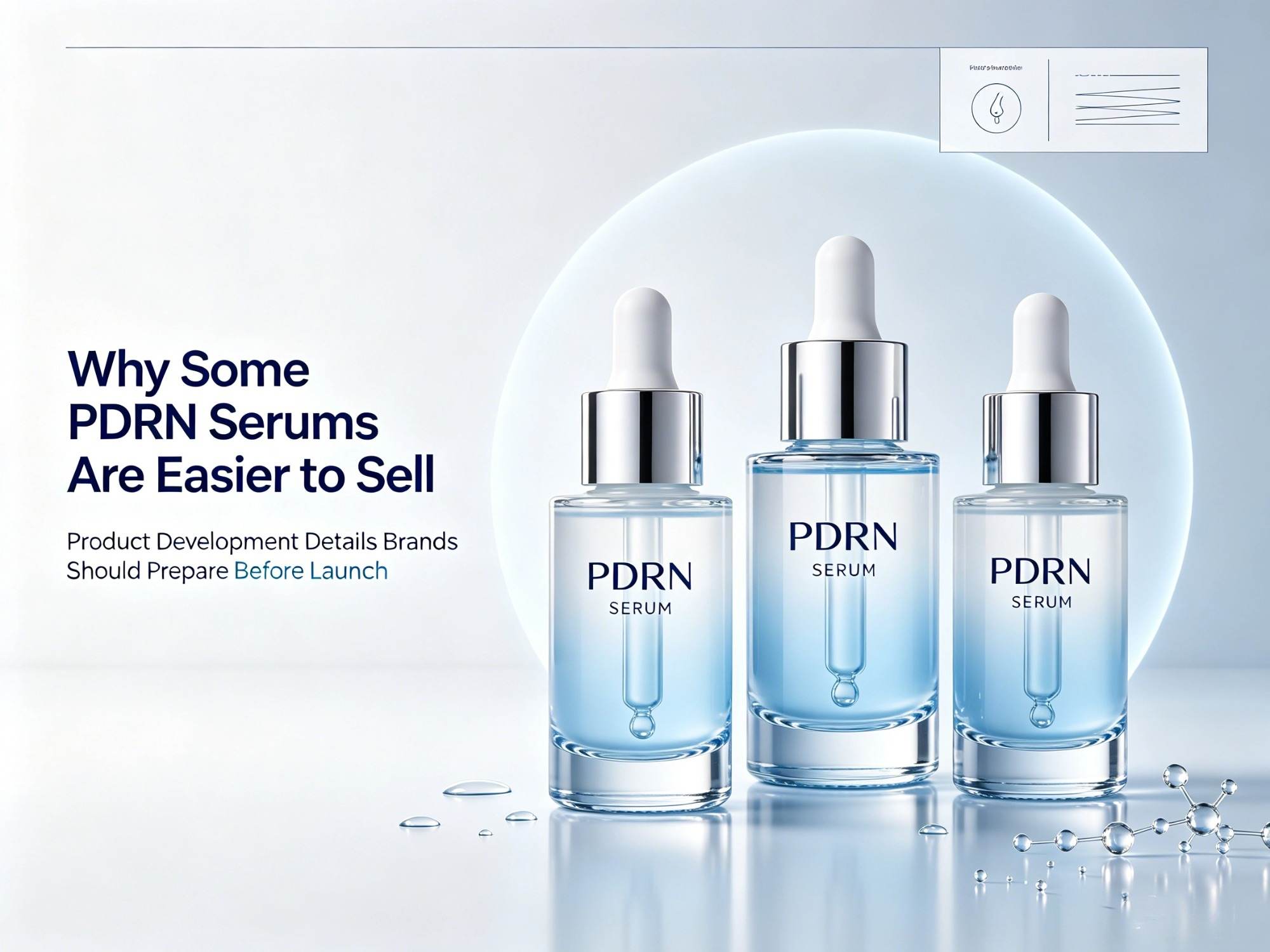
    The Sensitive‑Skin Anti‑Aging Dilemma and the Rise of PDRN Striking a balance between caring for sensitive skin and anti-ageing has always been a challenge. Retinol, a gold-standard anti-wrinkle ingredient, is often abandoned by those with sensitive skin due to side effects such as redness, flaking and a ‘detox period’. The situation is no better with alpha-hydroxy acid (AHA) products. This phenomenon has led many consumers to abandon anti-ageing products altogether—leaving a market gap that few brands have successfully filled. It is against this backdrop that PDRN (polydeoxyribonucleotide), an active ingredient derived from salmon, has been introduced to the market. It combines benefits similar to those of retinol whilst avoiding irritation. Often compared to the popular Korean ‘salmon DNA’ serums, PDRN is quietly becoming the ingredient of choice for anti-ageing ranges designed for sensitive skin.     Source and Biocompatibility of PDRN PDRN is extracted from the germ cells of specific salmon species, such as Atlantic salmon or rainbow trout. The skin recognises it as a ‘friendly’ substance because its nucleotide sequence is almost identical to human DNA, and therefore it does not trigger an immune response. This biocompatibility explains why PDRN was initially used in wound healing clinics—it actively promotes tissue repair without causing side effects. Importantly, in the field of cosmetics, it can also meet the demand for pure, hypoallergenic alternatives to animal-derived growth factors or highly irritating retinoic acid products.     Mechanism of Action: A2A Receptor Activation, Collagen & Elastin Synthesis When PDRN is applied to the skin and penetrates properly, it binds to the adenosine A2A receptor. This triggers a series of natural repair responses: enhanced fibroblast activity, increased synthesis of Type I and Type III collagen and elastin, and reduced inflammation. The resulting benefits are that, with prolonged use, the appearance of fine lines is noticeably reduced, the skin feels firmer, and the complexion becomes more even—all without the stinging or peeling commonly associated with retinol.     Micro‑Encapsulation Technology: Solving the Penetration Problem A long-standing challenge with PDRN has been its large molecular size (50–1,500 kDa), which makes it difficult to penetrate the stratum corneum. We have therefore adopted a technique similar to that used in high-end retinol products to minimise irritation. Each PDRN particle is encapsulated in a lipid-based microcapsule, which not only prevents oxidation but also ensures the active ingredient is released slowly upon contact with the skin. This not only enhances penetration but also delivers long-lasting efficacy. Our system has undergone 720-hour stability testing and is manufactured in a cleanroom compliant with GMPC standards—which align with the requirements for pharmaceutical-grade skincare products.     Clinical Results (4‑Week Test Data) In internal testing on 30 volunteers with sensitive skin (4 weeks, twice‑daily application): Fine lines appeared reduced by 18–22% (visual assessment + fringe projection). Elasticity (R2) improved by 15–18% (cutometer measurements). Hydration increased by 28–32% (corneometer). All participants reported no stinging, redness, or peeling. (Results may vary; test details available upon request.) We also provide full compliance documentation: INCI name Sodium DNA, CPNP, Halal, FDA, and heavy metal/stability reports – making it easy for brands to enter US, EU, and Middle Eastern markets.   Manufacturing Strength, Compliance, and B2B Collaboration We operate a Class 100,000 GMPC cleanroom and have a research and development team comprising eight PhD-level scientists. We have successfully supplied PDRN serums to markets in the United States, Germany and the Middle East. This ingredient offers unique and scientifically validated benefits in the anti-ageing sector, perfectly aligning with ‘clean beauty’, vegan-friendly formulations (salmon-derived, zero animal testing) and sensitive skin care—the three fastest-growing global market segments. We offer flexible customisation options, including varying PDRN concentrations and formulations combined with peptides or hyaluronic acid. Minimum order quantities start from just 1,000 units, and we provide a rapid 15-day prototyping service. If you are seeking a truly gentle anti-ageing star product, please feel free to contact us to discuss collaboration opportunities.     Related products: Blue Copper Peptide Brightening Set – another irritation‑free option for sensitive skin. Microencapsulated Retinol Serum – for clients who want a stronger, yet controlled, retinol experience. Disclaimer: This article is for industry discussion only. Not medical or legal advice. Results may vary. Always check local regulations before launching.  
    Read More
  • Comprehensive Report on the Peptide Skincare Market in Europe and the US: A Sure-Fire Opportunity from 4.8 Billion to 10.4 Billion
    Comprehensive Report on the Peptide Skincare Market in Europe and the US: A Sure-Fire Opportunity from 4.8 Billion to 10.4 Billion
    Apr 22, 2026
    1. The Stability and Explosion of the Peptide Market In 2024, the global peptide skincare market delivered an impressive performance with a valuation of USD 4.8 billion, projected to exceed USD 10.4 billion by 2033, reflecting a robust compound annual growth rate (CAGR) of 9.5%. Within the skincare ingredient landscape, peptides may not be the fastest-growing segment, but they are undoubtedly the most stable. More importantly, peptides have surpassed all other ingredient categories to become the single largest category in the global specialty cosmetic ingredients market. They have decisively shed the label of a "niche luxury" and emerged as the core infrastructure of modern skincare formulations. This signifies a decade-long tailwind of deterministic growth rather than a fleeting trend.     2. The Underlying Logic of the Western Boom — Why Peptides? The surge in European and American markets is no coincidence. In the United States, the hashtag #peptide has garnered over 233 million views on TikTok, fueling a nationwide anti-aging movement. 77% of U.S. consumers actively seek clinical data before purchasing, and the concept of "preventative aging" is deeply ingrained. In Europe, growth is driven by the world's strictest regulations and a consumer base where 80% are willing to pay a premium for scientifically validated efficacy. Whether it is the arid climate of the American West, the harsh winters of Northern Europe, or the intense sun of Southern Europe, peptides' dual-action benefits of "barrier repair and wrinkle reduction" perfectly address cross-regional pain points. In short, peptides align with the Western consumption ethos of "evidence over hype and long-term health over quick fixes."     3. Evolution and Technological Trends — From Luxury Ingredient to Foundational Infrastructure Peptides have undergone a historic shift from pharmaceutical-grade "luxury ingredients" to mass-market accessibility and scientific transparency. Disruptor brands like The Ordinary have driven prices down to the $10–$20 range, while social media has turned ingredient transparency into the most compelling sales narrative. Looking ahead, four key trends will define the winners: First, a structural shift from "reversing aging" to maintaining "functional longevity." Second, the rise of Cyclic Peptides, which offer superior penetration (CAGR of 11.89%). Third, the deep integration of Biomimetic Peptides with the Microbiome. Fourth, the emergence of Gold-Enhanced Peptides in luxury scientific skincare. For OEM/ODM manufacturers, establishing a competitive moat requires a strategic bet on these technological frontiers.     4. Formulation Application and Blending Reference — Common Industry Practices In formulation practice, peptide selection and dosage vary significantly by product category and target claim. Based on publicly available product disclosures and industry benchmarks, common approaches include facial serums targeting firming and wrinkle reduction (often utilizing Matrixyl or Argireline variants in the 2–8% range); creams formulated for dual anti-aging and barrier support, frequently combining peptides with ceramides or hyaluronic acid (1–5%); eye-area formulations addressing expression lines and puffiness (Eyeseryl or similar, typically 1–3%); and rinse-off or treatment masks incorporating copper peptides for repair-focused applications (0.5–2%). Peptides also exhibit broad compatibility with complementary actives—combinations such as peptides with ceramides and amino acids for barrier support, or peptides with encapsulated retinol for balanced anti-aging regimens, are increasingly documented in commercial formulations. Manufacturers with established formulation libraries may offer accelerated development pathways, though specific product performance remains subject to independent clinical evaluation and stability testing.     5. Market Communication Considerations — Observations on Western Consumer Preferences Marketing communication in Western markets tends to favor evidence-based narratives over abstract or emotional claims. Observed consumer behavior—particularly in the U.S. and Europe—suggests that efficacy claims supported by third-party clinical data, before-and-after case studies, and transparent ingredient disclosure resonate more effectively with informed audiences. Additionally, positioning peptides within the broader "skin longevity" framework, rather than hyperbolic anti-aging language, appears increasingly aligned with consumer sentiment. For brand development, this suggests an opportunity to segment offerings across price tiers—from accessible entry-level formulations to premium, technology-differentiated lines—while ensuring that marketing collateral (including ingredient summaries, key claim language, and supporting test documentation) is both substantiated and regionally compliant. Manufacturers that can facilitate this evidence-to-claim pipeline may reduce the compliance burden for brand partners, though ultimate responsibility for marketing claims rests with the brand owner.   6. Conclusion and Actionable Guide for Manufacturers Peptides are no longer an optional ingredient; they are foundational infrastructure. For OEM/ODM manufacturers, the product strategy must align with market positioning: "Palmitoyl Tripeptide" combinations for entry-level brands and "Copper Peptides + Cyclic Peptides" for premium offerings. Cost control is achieved through economies of scale and formulation reuse, enabling clients to achieve a luxury feel at accessible price points. Marketing enablement spans from compliance certifications (FDA/CPNP) to building a scientific narrative. The opportunity in the peptide sector lies in technological differentiation (Cyclic Peptides), formulation flexibility (Peptide+), and full-category coverage. For those seeking rapidly deployable formulations or tailored solutions for the US, Europe, or Middle East, this is the optimal window for market entry. Disclaimer: This article is for industry analysis only and does not constitute professional formulation, medical, or legal advice. Formulation percentages cited are general industry references and should be independently verified for specific product development. The author assumes no liability for actions taken based on this content.  
    Read More
  • The Double‑Edged Sword of Sensitive Skin Care – Why Gentle ≠ Ineffective
    The Double‑Edged Sword of Sensitive Skin Care – Why Gentle ≠ Ineffective
    Apr 15, 2026
    Many consumers complain: “I’ve used products for sensitive skin for years, but my skin is still dry, red, and full of fine lines.” The truth is, caring for sensitive skin isn’t about using nothing or accepting poor results – it’s about using the right methods and ingredients. For skincare brands and private label buyers, understanding this science is the first step to creating products that truly work. Sensitive skin is characterized by a weakened barrier (thinned stratum corneum, loss of intercellular lipids), overactive TRPV1 receptors causing stinging and flushing, chronic low‑grade inflammation, and an imbalanced microbiome. How can users tell if they have sensitive skin? Look for reactions after cleansing or applying products (stinging, tightness), intolerance to common products, or visible signs like dryness, visible capillaries, and flaking. If several of these apply, the skin may be considered sensitive.     A sound approach to sensitive skin care follows three steps: first, restore the barrier – replenish intercellular lipids (ceramides, fatty acids, cholesterol) and lock in moisture (squalane, hyaluronic acid) using formulas that are alcohol‑free, fragrance‑free, and low‑irritant. As a full‑service OEM/ODM manufacturer, we develop such formulas with customizable ingredient choices and flexible MOQ. Second, calm inflammation – help regulate inflammatory factors and soothe TRPV1 overactivity with ingredients like centella asiatica (asiaticoside, madecassic acid), purslane extract, bisabolol, or dipotassium glycyrrhizate, using low‑temperature extraction and micro‑encapsulation for targeted delivery. Third, anti‑wrinkle care for sensitive skin – use gentle actives such as copper peptides, signal peptides, or low‑concentration micro‑encapsulated retinol instead of harsh acids or high‑strength retinoids. This is how gentle formulas remain effective: technologies like micro‑encapsulation, pH adjustment, and slow release reduce irritation without compromising efficacy. For example, micro‑encapsulated retinol delivers the same anti‑wrinkle benefits with significantly less irritation. All these technologies are available for private label and bulk production, with fast sampling (15 days) and low MOQ.     So, are there products truly designed in this “repair → calm → strengthen” sequence? As a professional OEM/ODM manufacturer with over 20 years of experience, our factory has developed such a system. Take our Copper Peptide Micro‑capsule Calming Series as an example. Copper Tripeptide‑1 is a dual‑action active that soothes while supporting collagen production. We lock it inside micro‑capsules that release slowly upon application, avoiding direct contact with sensitive skin while ensuring targeted delivery. The series includes three products matching each step: the Calming Toner (100ml) prepares the skin with quick hydration and basic barrier support; the Micro‑Bead Serum (30ml) contains 15,000 micro‑beads designed to support skin repair, loaded with copper peptide and centella asiatica to help calm redness and strengthen the barrier; and the Repairing Cream (50g) features a liquid‑crystal texture with ceramides and natural oils for long‑lasting moisture and the final “strengthen” step. Together, they follow the “first repair, then calm, finally strengthen” philosophy, with micro‑encapsulation ensuring both gentleness and efficacy. All formulations are fully customizable for private label and bulk orders, with low MOQ and fast sampling. We also provide turnkey packaging design and global compliance support (CPNP, Halal, FDA).     Beyond copper peptides, centella asiatica extract (asiaticoside, madecassic acid, asiatic acid) is another key ingredient we use to help regulate inflammatory factors, support collagen production, and restore the barrier. It appears in several of our sensitive‑skin products, including toners, repair creams, and masks, combined with low‑temperature extraction to preserve its full activity. Meanwhile, our micro‑encapsulated retinol serum – though not directly aimed at sensitive skin – showcases our technical expertise: turning a potentially harsh active into a controlled‑release, low‑irritation anti‑wrinkle ingredient. This same technology can be applied to other potent actives, opening more possibilities for gentle yet effective anti‑wrinkle care for sensitive skin. We offer end‑to‑end OEM/ODM services, including custom formulation, packaging design, and global compliance support (CPNP, Halal, FDA). Our production facility is 100,000‑class GMPC‑certified with full batch traceability and 720h stability testing.     In conclusion, caring for sensitive skin is not about using nothing or accepting poor results. It’s about the right sequence, the right ingredients, and the right technology. From barrier repair to inflammation calming to gentle anti‑wrinkle support, every step is backed by science and established formulation techniques. Our Copper Peptide Micro‑capsule Series, centella‑based formulas, and mature micro‑encapsulation technology are practical embodiments of the principle that gentle does not mean ineffective. If you are looking for a reliable R&D and manufacturing partner (OEM/private label/white label) for your sensitive‑skin product line, we welcome you to reach out and explore how we can work together. Flexible MOQ, 15‑day sampling, GMPC‑certified cleanroom, and full supply chain transparency – all ready for your brand. We also offer raw material sourcing, formula adjustment, and logistics support for global markets (USA, EU, Middle East, Southeast Asia). This article is intended solely for industry discussion and the sharing of product design concepts. All descriptions of efficacy mentioned herein are based on the scope of claims permitted for cosmetics; actual results may vary from person to person. Please comply with local laws and regulations.  
    Read More
  • Red Line or Blue Ocean? Industry Insights and Technological Outlook for Exosomes as an Emerging Component
    Red Line or Blue Ocean? Industry Insights and Technological Outlook for Exosomes as an Emerging Component
    Apr 10, 2026
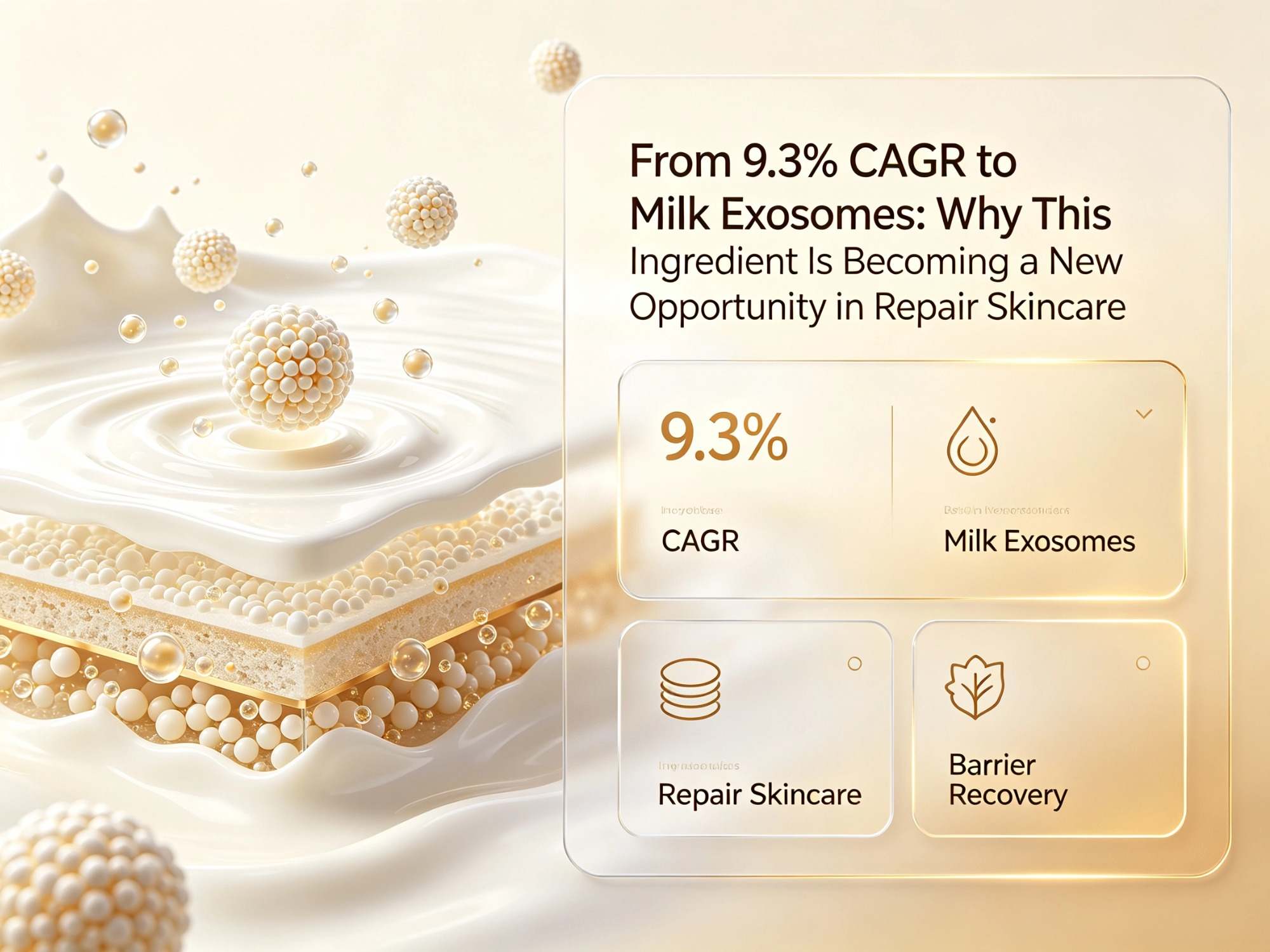
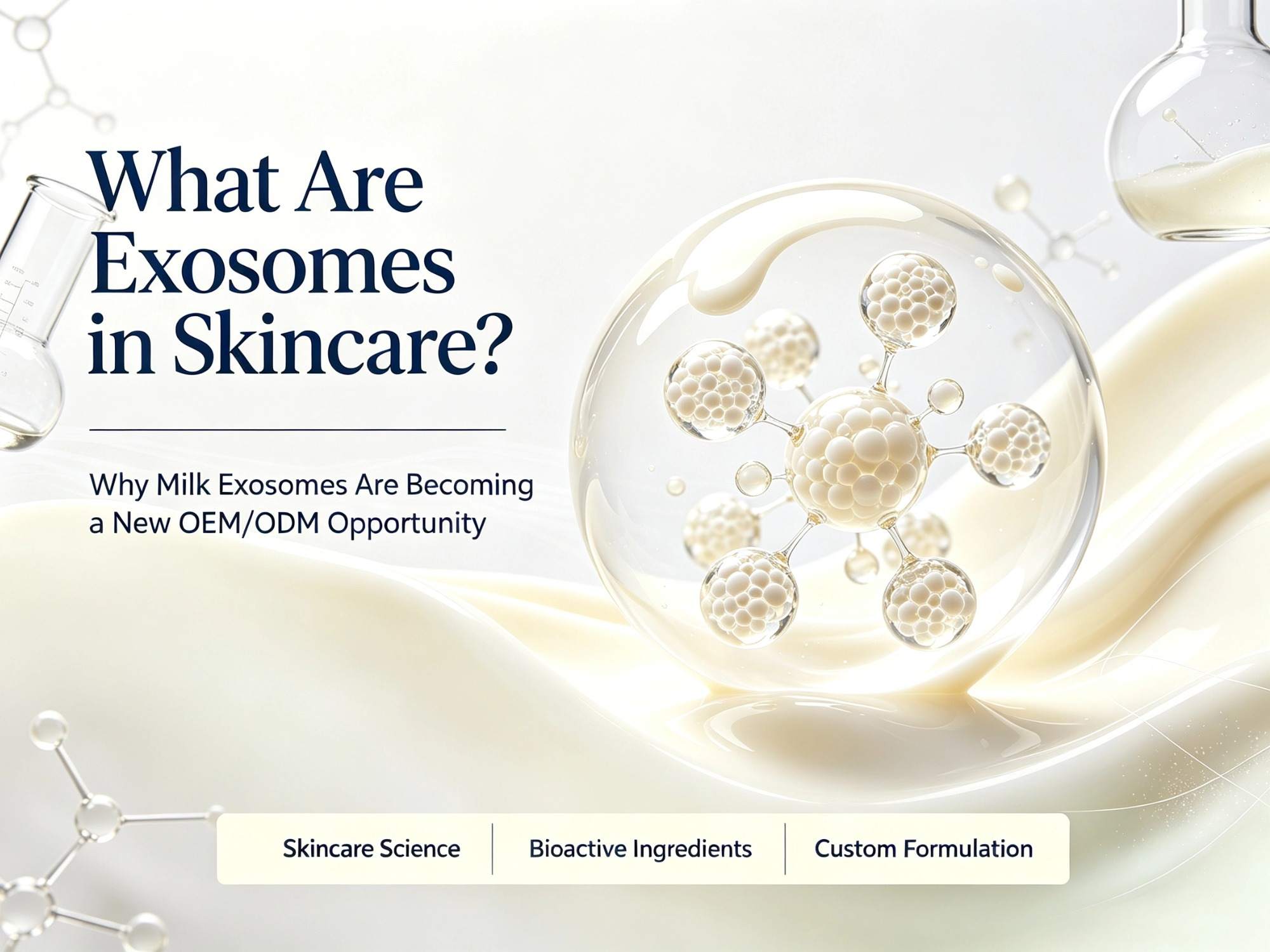
    The Shift: From Feeding Skin to Talking to Cells As science pushes the boundaries of skincare, the conversation is moving from simply feeding the skin toward direct cellular communication. Exosomes—nature's own nanoscale couriers—have drawn global attention, with the exosome skincare market projected to grow from USD 685 million in 2025 to USD 1.98 billion by 2032. While still in a regulatory exploratory phase in China, the underlying science and commercial momentum offer a compelling long-term direction for forward-looking industry professionals.     What Are Exosomes? Nature's Nanoscale Messengers What are exosomes? These are tiny vesicles, roughly 30–150 nanometers in diameter, secreted by nearly all cell types. They carry bioactive molecules—proteins, nucleic acids—and transmit signals between cells, guiding target cells toward specific behaviors such as initiating regenerative programs. Simply put, most skincare delivers ingredients; exosomes deliver instructions. This fundamental difference has positioned exosomes at the forefront of global skincare research, with applications spanning anti-aging, skin rejuvenation, barrier conditioning, and tone management—categories that collectively drive the market toward an estimated USD 5.16 billion by 2033.     Three Sources: Animal, Plant, and Bioengineered Exosomes Current exosome materials fall into three main categories. First, animal- or human-derived exosomes are primarily sourced from stem cells. Stem cells can consistently secrete highly active exosomes, but ethical and regulatory constraints largely limit their application to regenerative medicine. Second, plant-derived exosomes are extracted from botanicals like centella asiatica, ginseng, and apple. Their key advantage is extremely low immunogenicity—they rarely trigger adverse reactions—and they account for over 90% of the cosmetic exosome market due to more navigable compliance pathways. Third, bioengineered exosomes mimic natural structures via biotechnology to encapsulate specific actives, an approach still in early-stage exploration.     How Exosomes Work: Signal Transduction and Cellular Renewal The core mechanism of exosomes is signal transduction. Rather than providing direct nutrition, they communicate with target cells to awaken intrinsic renewal pathways. In skin-related in vitro studies, exosomes have shown potential to help support the synthesis of collagen and elastin, visibly improve the appearance of fine lines, help calm visible redness, condition the skin barrier, and promote a more even, radiant complexion. Their nanoscale lipid bilayer structure—similar to skin cell membranes—also supports efficient delivery of labile ingredients. Plant-derived exosome-like nanovesicles have attracted particular interest for topical formulation, offering a compelling balance of bioactivity and safety. Note: the above is based on published academic research; exosome ingredients are not yet approved for cosmetic use in China.     Our Manufacturing Readiness: GMPC Infrastructure and Formulation Expertise As a contract manufacturer with over twenty years of skincare R&D and production experience, we closely monitor emerging ingredients and technological developments. While exosomes are not yet applied in cosmetics in China, the core technical directions—nanovesicle encapsulation, active stabilization, and transdermal delivery—are conceptually aligned with our formulation expertise in dosage form development. We have extensive practical experience in active ingredient stability, compatibility, and sensory optimization, and we continue to follow advancements in microencapsulation delivery systems across the industry. Our capabilities are supported by a library of over 3,000 mature formulas and a Class 100,000 GMPC cleanroom with an RO/EDI ultrapure water system (≤2 μs/cm), providing a solid foundation for high-potency ingredient development. For brands planning ahead, our facility is equipped to support pilot-scale development and large-volume production—with daily output reaching 100,000 units for standard skincare and 200,000 pieces for masks—ensuring both speed and consistency when regulatory conditions align.     Looking Ahead: Prepared for the Next Frontier Exosomes illustrate one possible evolution from ingredient stacking toward biological signal modulation in skincare. Although the commercial pathway in China awaits further regulatory clarity, the underlying logic—nano-delivery, precision control, and active protection—has become an irreversible direction for high-performance skincare. For those of us in the supply chain, the task is to maintain curiosity toward frontier science while diligently refining our foundational capabilities. When the opportunity fully opens, only the prepared will be ready to step forward—and with our existing GMPC infrastructure and formulation experience, we are building that readiness today. Compliance Disclaimer: This article is intended solely for the purpose of introducing industry technical developments and facilitating academic exchange. It does not constitute any product or business recommendation. To date, no exosome-related cosmetic ingredients or products have been approved in China, and it is strictly prohibited for any enterprise to produce or market exosome-related products under the guise of cosmetics. — Aisen Skincare Manufacturing Contract Manufacturing & Private Label Solutions
    Read More
  • Beyond Quality Control: How a Professional OEM Protects Your Brand from Risk
    Beyond Quality Control: How a Professional OEM Protects Your Brand from Risk
    Mar 31, 2026
    For any skincare brand, the most dreaded scenario is not a month of sluggish sales, but a product recall. A single faulty batch can destroy a brand’s reputation—built up over many years—overnight. When you partner with an OEM manufacturer, you are not merely outsourcing production; you are entrusting your brand’s reputation to them. Truly professional manufacturers do not limit themselves to conducting ‘quality checks’ at the end of the production line. They establish a system to nip problems in the bud before they reach the customer. Below, we reveal how a comprehensive risk mitigation strategy can serve as your brand’s invisible armour.     1. Raw Material Risks: Starting from Certainty Challenges faced by the brand: How do you ensure that the ingredients used in the formula fully meet your requirements—pure, effective, and uncontaminated? Our comprehensive solution: Our risk prevention starts at the source. We conduct global procurement through strategic partners in the European Union, the United States, Japan, and South Korea, ensuring that every raw material meets strict purity standards. Before any raw material enters the production workshop, it undergoes rigorous component identification, purity, and microbial testing in our in-house laboratory. We do not take suppliers' promises at face value, but verify them ourselves. This fundamental step eliminates the risk of formula failure before the first batch of products is produced.     2. Production risk: eliminating variability through engineering methods The Brand Challenge: How can you be certain that batch 10,000 is identical to batch 1? Our Integrated Solution: Consistency is the bedrock of consumer trust. Our production environment is designed to eliminate variables. We manufacture in 100,000-class GMPC-certified cleanrooms with strict temperature, humidity, and particle control. Our fully automated filling and sealing lines remove human error from critical steps. This isn’t just about efficiency—it’s about guaranteeing that every unit that leaves our facility meets the exact same specifications, every time.     3. The Stability Risk: Proving Performance Over Time Brand Challenge: After months of transportation, storage, and consumer use, can your product remain safe and effective? Our Integrated Solution: We don’t rely on assumptions; we test reality. Our team conducts comprehensive stability testing, including 45°C high-temperature simulations for tropical markets like Kenya, freeze-thaw cycles for cold climates, and 720-hour destructive testing to push formulations to their limits. This data not only meets regulatory requirements but also gives you confidence that your product will perform as expected from first use to last.   4. The Packaging Risk: Preventing a Silent Failure The Brand Challenge: What if your premium formula is perfect, but the packaging causes it to leak, degrade, or change texture? Our Integrated Solution: We treat packaging as an integral part of the product system. All packaging is subjected to seal integrity testing, formulation compatibility testing, and functional performance validation. We ensure that the container doesn’t leach chemicals, the seal doesn’t break in transit, and the formula remains stable throughout its shelf life. This prevents the silent failures—leaks, spoilage, texture changes—that can ruin a customer’s experience and tarnish your brand.     5. The Traceability Risk: Being Ready for the Unthinkable The Brand Challenge: In the rare event of a market inquiry, can you quickly pinpoint the source and take action? Our Integrated Solution: We maintain a comprehensive sample retention program for raw materials, semi-finished, and finished goods, preserving them for at least one year past the product’s expiration date. This gold-standard traceability allows us to pinpoint and investigate any issue back to its specific batch origin with precision. This system provides unparalleled peace of mind, enabling swift, accurate, and responsible joint problem-solving that dramatically reduces your brand’s potential risk and crisis management costs.   Conclusion For a skincare brand, choosing a manufacturer is not just a supply chain decision; it’s a risk management decision. A partner who embeds quality into every process—from sourcing to traceability—becomes your most valuable asset. When you work with a manufacturer that treats your brand’s reputation as their own, you’re free to focus on what you do best: growing your brand and delighting your customers.
    Read More
  • From Concept to Launch: How the Right OEM/ODM Partner Accelerates Your Market Success
    From Concept to Launch: How the Right OEM/ODM Partner Accelerates Your Market Success
    Mar 24, 2026
    For skincare brands, the gap between a great idea and a successful market launch is filled with complexity. In a fast-paced global market, speed, compliance, and flawless execution are non-negotiable. This is where a manufacturing partner evolves from a simple supplier into a critical driver of your growth. A true OEM/ODM partner provides the integrated expertise and infrastructure to not just make your product, but to de-risk the entire journey and accelerate your path to market. Here’s how a collaborative partnership makes the difference.  1. Translating Your Vision into Viable Science The Client’s Challenge: You’ve identified a market opportunity or have a novel concept, but lack the in-house scientific capability to develop a stable, effective, and manufacturable formula that meets regulatory standards. Our Role as Your Partner: Think of our Ph.D.-led R&D team as an extension of your own. We move beyond simply executing a brief to active co-development. By leveraging insights from global trend analysis and a proprietary library of over 3,000 proven formulas, we help refine your concept into a product with a clear competitive edge—whether that’s creating a COSMOS-compliant “clean” formula for Europe or optimizing for humidity stability in Southeast Asian climates.     2. Streamlining the Path to Market The Client’s Challenge: Coordinating multiple vendors for ingredients, packaging, testing, and compliance drains resources, creates bottlenecks, and delays critical launch timelines. Our Integrated System: We provide a seamless, single-point-of-contact process. Our workflow integrates global raw material sourcing, packaging development, in-house stability and efficacy testing, and regulatory guidance. This “concept-to-carton” integration allows parallel development streams, which can reduce your time-to-market by 30-50%, enabling you to capitalize on trends with precision.     3. Mitigating Risk with Built-In Quality The Client’s Challenge: Your brand’s reputation is paramount. A single quality issue can have severe consequences, making absolute confidence in your manufacturer’s controls essential. Our Foundation of Trust: Confidence comes from transparent systems, not promises. Our multi-stage “Five-Pillar” Quality Control system—spanning from pre-production verification to complete batch traceability—is designed as your brand’s risk mitigation framework. Investment in 100,000-class GMPC cleanrooms and exhaustive compatibility testing ensures product integrity is assured, allowing you to focus on brand building.       4. Enabling Cost-Effective Scaling The Client’s Challenge: Achieving competitive costs and smoothly scaling production is difficult without significant purchasing power or deep manufacturing expertise. Our Scalable Advantage: Our scale and expertise become your leverage. Through high-volume production lines and strategic raw material partnerships, we help optimize your bill of materials (BOM) without quality compromise. Our experience in design-for-manufacturability ensures a fluid transition from small pilot batches to full commercial production, supporting your growth at every stage.   5. Building a Partnership for Long-Term Evolution The Client’s Challenge: Markets and consumer preferences constantly shift. You need a partner that can help you iterate, innovate, and expand your portfolio to stay ahead. Our Commitment to Your Growth: We position ourselves as a long-term growth ally. Beyond the initial launch, we serve as an ongoing resource for insights on emerging ingredients, sustainable material options, and format innovations. From line extensions to entering new categories, we provide the reliable infrastructure and collaborative partnership to help your brand evolve for sustained success.     Conclusion & Call-to-Action Selecting a manufacturing partner is a strategic choice that directly impacts your brand’s trajectory. In today’s global landscape, an integrated partner like Aisen does more than manufacture—we accelerate, de-risk, and enable scalable growth. Is your brand ready to shorten its path to market? Explore our OEM/ODM Capabilities Overview to see our full process. Contact our partnership team to discuss your specific product and market goals.   Request a consultation to analyze your concept and timeline.
    Read More
  • The Partnership Playbook: 5 Steps to a Successful Skincare Launch with Your OEM Manufacturer
    The Partnership Playbook: 5 Steps to a Successful Skincare Launch with Your OEM Manufacturer
    Mar 17, 2026
    Bringing a new skincare product from concept to shelf is a complex journey that hinges on a strong partnership with your manufacturer. For brands targeting markets in North America, Europe, the Middle East, or Southeast Asia, aligning with a factory that understands both global standards and local nuances is critical. This guide outlines five practical steps to build a collaborative, efficient, and transparent relationship with your manufacturing partner in China, ensuring your vision is realized on time, to specification, and in full compliance.     Step 1: Begin with a Detailed and Strategic Brief For a Clear Start: The foundation of any successful project is a comprehensive brief. Be specific about your target market (e.g., “sensitive skin consumers in Germany,” “halal-conscious buyers in the UAE”), desired claims, price point, and regulatory needs (such as FDA compliance for the US or COSMOS standards for the EU). Clarity upfront prevents misalignment. How We Add Value: Our team in Guangzhou acts as your strategic advisor. We analyze your brief against market trends from Europe to Southeast Asia and our extensive formula library to advise on feasibility, compliance pathways, and cost-effective solutions tailored to your geographic goals.     Step 2: Engage in Active, Technical Dialogue During Sampling The Refinement Phase: The sampling stage is iterative. Provide precise feedback on texture, fragrance, and skin feel. For instance, a texture suitable for humid Southeast Asia may differ from one ideal for arid Middle Eastern climates. Direct Access to Expertise: You’ll collaborate directly with our Ph.D.-led R&D team. We don’t just make samples; we explain the science, suggest adjustments for regional preferences or stability needs, and use data to guide decisions.   Step 3: Leverage Integrated Processes to Accelerate Timelines Gaining Speed: Development involves parallel tracks: formula, packaging, regulatory filing. An experienced manufacturer manages these concurrently. For example, while the formula is being tested, our team can simultaneously vet packaging for global shipping durability and prepare documentation for target market registrations. Our Coordinated System: Our integrated project management ensures these streams converge seamlessly. This efficiency is crucial for hitting launch windows, whether you’re preparing for Black Friday in the US or Ramadan promotions in the Middle East.     Step 4: Align on Production Realities for Smooth Execution Planning for Success: Understand practical aspects like production lead times, MOQs, and the manufacturer’s quality lockdown procedures. Discussing capacity upfront ensures your launch plan for the Australian market doesn’t clash with production for another client’s European campaign. Our Commitment to Transparency: We provide clear production schedules and real-time updates from our facility in Guangzhou. Our robust QC system, trusted by brands worldwide, ensures every batch meets your specifications, giving you confidence for your global supply chain.   Step 5: Build a Strategic, Long-Term Growth Alliance Beyond a Transaction: The greatest value emerges from viewing your manufacturer as a long-term extension of your team—a partner invested in your growth across different markets. Our Partnership Approach: We share insights on regional ingredient trends, regulatory updates in key markets, and production analytics to help you optimize future lines and enter new regions like Eastern Europe or North Africa with confidence.       A truly global skincare brand is built on a foundation of a reliable, strategic manufacturing partnership. At Aisen in Guangzhou, China, we combine precise execution with a deep understanding of international markets to be your partner in growth. Ready to streamline your next product launch for your target market? Contact our team to discuss your specific needs for the US, EU, GCC, or ASEAN markets. Schedule a virtual tour of our Guangzhou R&D and production center.    
    Read More
  • The 5 Critical Quality Control Pillars in Skincare OEM: Your Brand's Invisible Shield
    The 5 Critical Quality Control Pillars in Skincare OEM: Your Brand's Invisible Shield
    Mar 01, 2026
    In the skincare industry, a product's success hinges not only on a compelling concept but on precision that leaves no room for error. When you choose an OEM partner, you are entrusting them with the most valuable asset you have: your brand's reputation. A truly professional manufacturer's worth is defined not merely by its ability to produce, but by a comprehensive, reliable, and often invisible quality assurance system that far exceeds basic standards. This system acts as an unwavering shield for your brand. Let's explore the five core quality control pillars at Aisen that embody this commitment to being your most reliable solutions partner.     Pillar 1: Pre-Production Verification | Building the Foundation Our Professional Process: Quality control begins long before production starts. We rigorously screen every incoming batch of raw materials, conduct daily tests on our ultra-pure water (produced via Reverse Osmosis + EDI systems), and perform bi-weekly checks on air cleanliness in our facilities. This establishes the first, crucial line of defense against contamination. Your Assurance & Solution: This proactive approach ensures your product is formulated and manufactured on a foundation of purity and stability. It systematically eliminates batch risks originating from raw materials or the production environment, providing a predictable and secure starting point for every order.     Pillar 2: R&D & Formula Validation | Science Over Claims Our Professional Process: In our labs, every new formula undergoes a gauntlet of scientific validation—from 720-hour stability challenge tests and in-vitro efficacy assessments to human clinical trials and consumer perception studies. Led by our Ph.D. team, this rigorous protocol is our scientific promise of efficacy and safety, exceeding mere compliance. Your Assurance & Solution: You receive more than a formula; you receive a data-backed dossier of evidence. This empowers your brand with confidence in its efficacy claims, ensuring the product core is trustworthy and designed to withstand market and regulatory scrutiny.     Pillar 3: In-Process Monitoring | Precision in Motion Our Professional Process: Within our 100,000-class GMPC-certified cleanrooms, quality is dynamically safeguarded. Experienced process engineers and QC inspectors monitor every critical step—from emulsification parameters to filling accuracy. State-of-the-art automated equipment minimizes human error, guaranteeing exceptional consistency across all batches. Your Assurance & Solution: Whether your order is large or small, your products are manufactured in a consistently controlled environment. This pillar guarantees remarkable batch-to-batch uniformity, protecting your brand's reputation for consistent quality and performance.     Pillar 4: Packaging Compatibility Testing | The Detail That Defines Experience Our Professional Process: Packaging is not just a container; it is an integral part of the product system. We subject all packaging to exhaustive testing for seal integrity, compatibility with formulations, and functional performance to prevent interactions like leaching, degradation, or compromised efficacy over the product's shelf life. Your Assurance & Solution: This meticulous testing directly prevents customer complaints related to leaks, spoilage, or texture changes caused by packaging. It safeguards your brand image and ensures the end-consumer enjoys the perfect experience you designed.     Pillar 5: Comprehensive Sample Retention & Traceability | Accountability for Every Single Unit Our Professional Process: We maintain a systematic sample retention program for raw materials, semi-finished, and finished goods, preserving them for at least one year past the product's expiration date. This is our gold standard for internal traceability, allowing us to pinpoint and investigate any issue back to its specific batch origin with precision. Your Ultimate Assurance & Solution: This system provides unparalleled peace of mind. In the rare event of a market inquiry, it enables swift, accurate, and responsible joint problem-solving with your team, dramatically reducing your brand's potential risk and crisis management costs.     A professional OEM partnership is an extension of your brand's promise. At Aisen, these five interconnected quality control pillars form a reliable, closed-loop system. This is not just a manufacturing procedure; it is our core commitment as your solutions partner to protect and enhance your brand's value. Choosing us means choosing a foundation of trust, where your vision is guarded by an invisible shield of unwavering quality.
    Read More

leave a message

leave a message
If you are interested in our products and want to know more details,please leave a message here,we will reply you as soon as we can.
submit
Contact Us: aisenchris5@gmail.com

home

products

WhatsApp

CONTACT US

Start a Conversation

Hi! Click one of our members below to chat on