How to Choose a Reliable Chinese OEM/ODM Factory for Your Skincare Brand
Jun 09, 2026
Meta Description: A practical guide for overseas skincare brands, importers, e-commerce sellers, salons, and cosmetic manufacturers looking for a reliable OEM/ODM partner with R&D, export support, quality control, Halal, Vegan, Clean Beauty options, and scalable production.
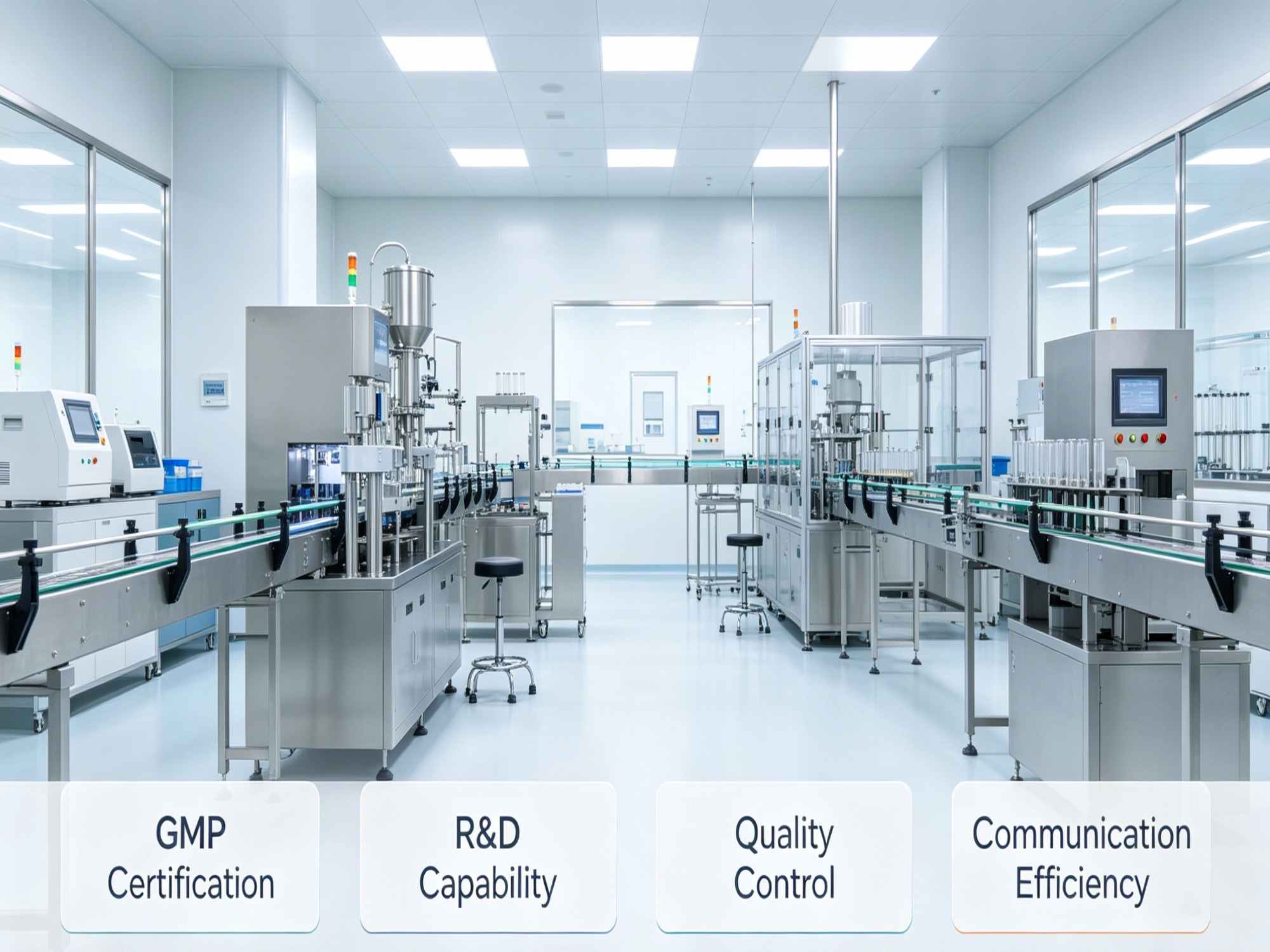
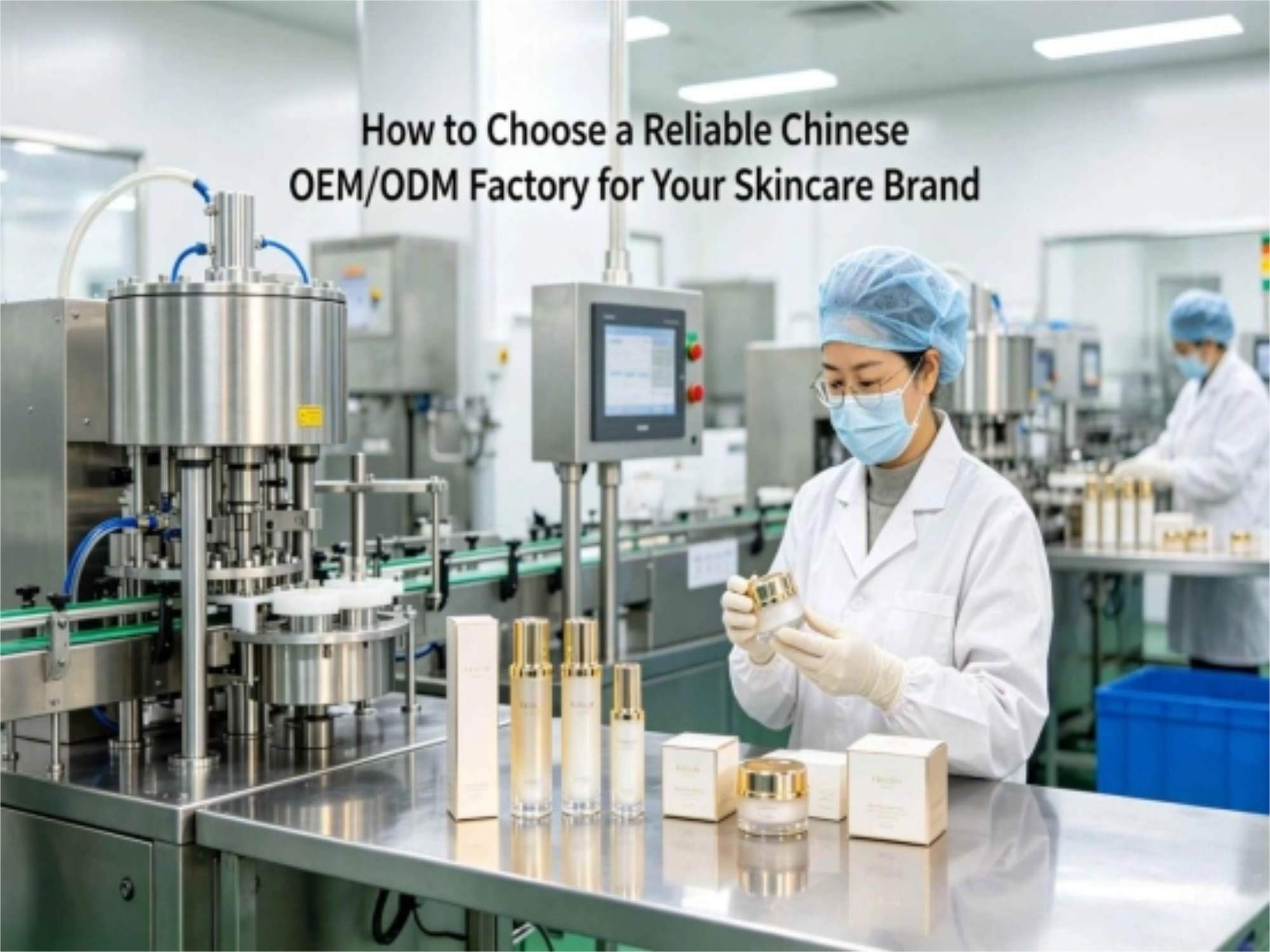
Aisen skincare OEM/ODM factory production line for global private label brands.
Many people face the same problems when choosing a skincare OEM/ODM factory. You contact several suppliers, and almost every one of them says the same things:they have good quality, competitive price and fast delivery. Then you receive samples, but it is hard to know which formula is truly stable and which one only looks good at the sample stage. You want to develop a product for the United States, Europe, the Middle East, Southeast Asia, or another overseas market, but many factories simply send existing formulas instead of helping you understand your target market, compliance needs, ingredient trends, and consumer preferences.
Then more questions appear. Will the formula remain stable during shipping and storage? Will the packaging match the bulk product? What documents are required for export and import? Can the product support Halal, Vegan, Clean Beauty, or sensitive-skin-friendly positioning? If the first order sells well, can the factory support repeat orders and larger production?
For overseas brands, e-commerce sellers, importers, distributors, spa and salon businesses, and even foreign cosmetic manufacturers looking for a Chinese supply chain partner, choosing an OEM/ODM factory is not just about finding someone who can produce. It is about finding a partner who can help you develop, document, export, and supply products reliably.
Aisen is built for this type of international cooperation. As a skincare OEM/ODM/OBM partner, Aisen supports global clients from product concept, market direction, formula development, packaging customization, sample testing, quality control, export documents, and global delivery to final market launch.
So, what should overseas customers pay attention to when choosing an OEM/ODM or OBM skincare manufacturer? Below are the key factors that can help you identify a reliable long-term partner.
1. Choose a Factory That Understands Your Target Market
A reliable OEM/ODM factory should not only send a product list or quotation. It should understand your sales market firstly, target customers, channel, price range, and brand positioning firstly.
Different markets have different expectations. For example, the US market often values clear efficacy claims, ingredient transparency, and strong brand storytelling. Europe pays close attention to compliance, mild formulas, sustainability, and Clean Beauty. The Middle East may require Halal-friendly products, fragranced body care, brightening care, and premium packaging. Southeast Asia often prefers lightweight textures, oil control, brightening, sun care, and skin barrier repair. A moisturizing brightening facial ampoule, for instance, can be tailored with different active ingredients, textures, and packaging styles to align with the unique demands of each target market.
When Aisen develops products for overseas clients, we start from the target market instead of simply copying existing formulas. We can support Halal-friendly, Vegan-friendly, Clean Beauty, sensitive-skin-friendly, plant-extract-based, alcohol-free, fragrance-free, or low-allergen product directions according to each project.
2. Make Sure It Can Support Export Documents and Compliance
Many overseas customers think that once the formula and packaging are finished, the goods can simply be shipped and sold. In real international trade, documents, labels, ingredients, and import requirements are just as important as production.
Depending on the target market, customers may need COA, MSDS, ingredient lists, product specifications, label support, CPNP-related materials, FDA-related documentation, Halal documents, customs clearance files, and other export or compliance documents.
Aisen has long served global customers and understands the export process for skincare projects. We provide custom tailored facial skincare solutions for different market needs and support customers with FDA, CPNP, Halal, product information, label details, ingredient descriptions, and export-related documents based on project requirements. This helps brands, importers, e-commerce sellers, and foreign manufacturers launch compliant skincare products and enter local markets more smoothly.
3. Look for Halal, Vegan, and Clean Beauty Development Capability
Overseas consumers increasingly care about the values behind a product. In addition to performance, they pay attention to lifestyle, religion, sustainability, safety, and transparency.
Halal skincare has stable demand in the Middle East, Southeast Asia, and Muslim consumer groups in Europe and North America. Clean Beauty, cruelty-free, alcohol-free, paraben-free, sulfate-free, and silicone-free concepts often appear on packaging, product pages, and advertising materials.
Aisen can help customers develop Halal-friendly, Vegan-friendly, Clean Beauty, sensitive-skin-friendly, plant-based, alcohol-free, fragrance-free, or low-allergen fragrance formulas. We can also support trend-driven ideas such as PDRN serum, peptide repair sets, niacinamide brightening products, retinol cream, brightening oil for dull skin, body oils, and baby skincare.
4. Check Whether It Has Real R&D Capability
Many customers contact a factory with only a trend idea, a reference product, a packaging image, or a budget range. This is where R&D capability becomes critical.
A professional factory should translate your idea into a clear product plan, including efficacy direction, hero ingredients, formula structure, texture, fragrance, packaging format, cost range, MOQ, and production timeline.
Aisen has skincare R&D and production experience across anti-aging, brightening, acne care, repairing, moisturizing, sun care, body care, hair care, and baby skincare. Our R&D team can recommend mature formulas or support customized formula development when customers need a more differentiated product.
5. Evaluate Quality Control, Testing, and Production Capacity
A good sample does not mean stable bulk production. Once a project enters mass production, customers care about batch consistency, reliable delivery, and long-term supply.
A reliable factory should inspect raw materials, semi-finished products, packaging materials, production processes, and finished products. Testing may include microbiology, heavy metals, physicochemical indicators, appearance, odor, skin feel, stability, and packaging compatibility.
Aisen operates under GMPC and ISO 22716 standards, with modern production workshops, a 100,000-grade clean environment, 12 automated production lines, and annual capacity of up to 80 million units. We support low-MOQ trial orders and fast sampling, while also providing scalable production when a product succeeds. Aisen also maintains retained samples for raw materials, semi-finished products, and finished products to support batch traceability and risk control.
6. Choose a Partner That Supports Packaging and Brand Customization
For overseas beauty brands, packaging is not only a container. It is part of the product’s selling power. On Amazon, Shopify, TikTok Shop, Instagram, retail shelves, salons, and spa channels, consumers judge quickly whether a product looks professional and trustworthy.
Different products need different packaging logic. Retinol, vitamin C, PDRN, and peptide serums may need light-protective, airless, or ampoule packaging. Body care products may work better in pump bottles, tubes, or gift sets. Masks need attention to pouch sealing and essence capacity. Baby skincare needs a gentle and safe visual message.
Aisen can support packaging selection, package design, logo customization, label support, set development, and product visual direction, helping customers build a finished product that can be presented, shipped, listed, promoted, and sold.
Conclusion
When choosing an OEM/ODM factory, overseas customers should not look only at price, samples, and MOQ. The more important question is whether the factory can understand your target market, support export documents, develop market-friendly formulas, maintain quality systems, scale production, and help you build a product that is ready for international sales.
Aisen Pro Skin provides one-stop skincare OEM/ODM/OBM customization for global customers, including product concept, formula R&D, sample development, packaging customization, quality control, export documents, and global delivery. If you are looking for a China-based skincare OEM/ODM factory that can support international product development, contact Aisen with your product idea, target market, sales channel, expected quantity, and packaging needs. Our team will recommend a suitable product development solution and help your brand move from concept to market.
Disclaimer: The information and stability data provided are based on laboratory testing and are for B2B reference only. Final formulation efficacy may vary based on specific customization and packaging. Aisen Skincare supports compliance documentation, but brand owners are ultimately responsible for meeting the regulatory requirements (e.g., FDA, CPNP) of their target markets. Products are for cosmetic use and not intended to treat any medical condition.
Related products
https://www.aisenproskin.com/product/anti-aging-brightening-salmon-pdrn-facial-serum
https://www.aisenproski0n.com/product/bead-blue-copper-peptide-serum-with-microcapsule-tech
Read More